The 2021 Iraqi Parliamentary Elections: Opportunities and Challenges (Dilemmas)
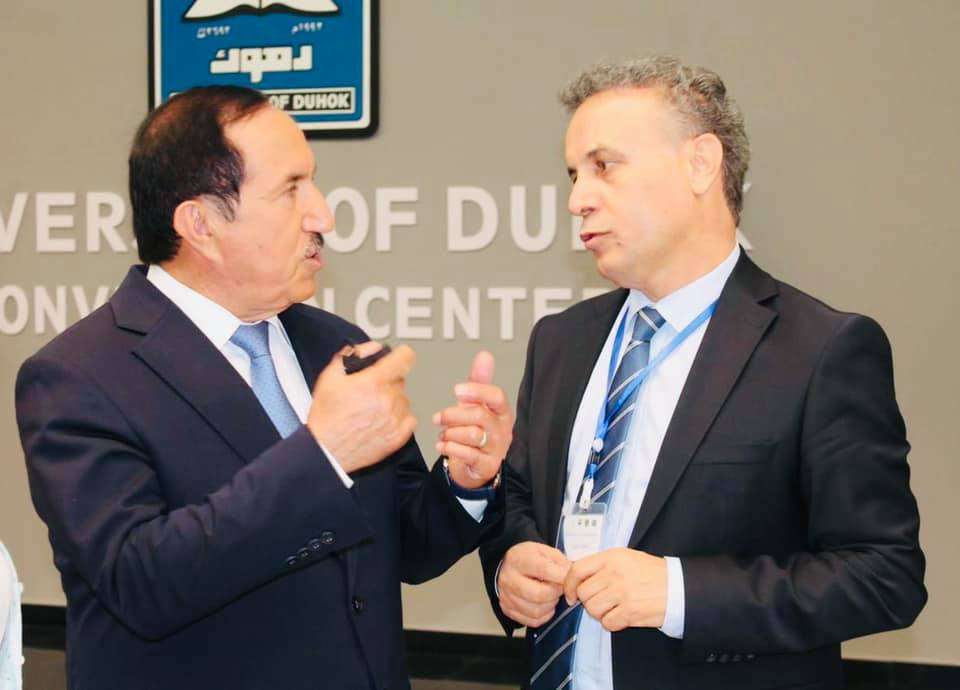
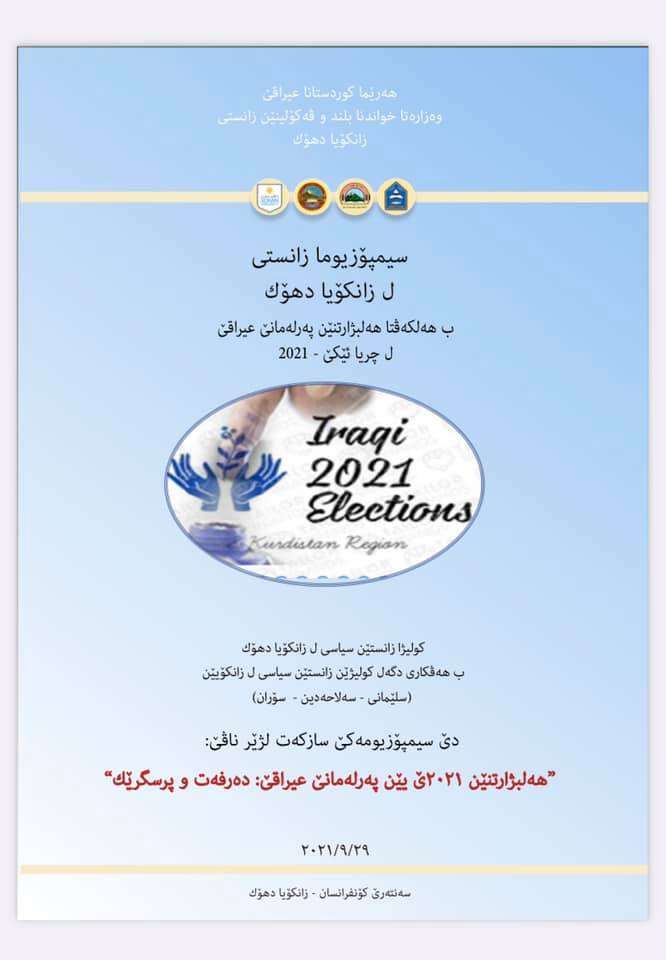
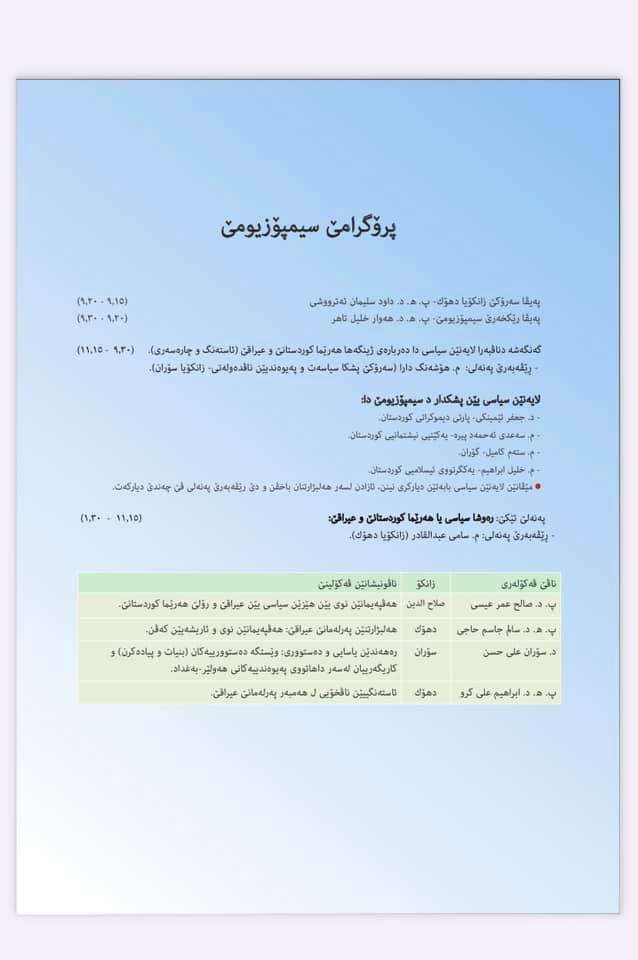
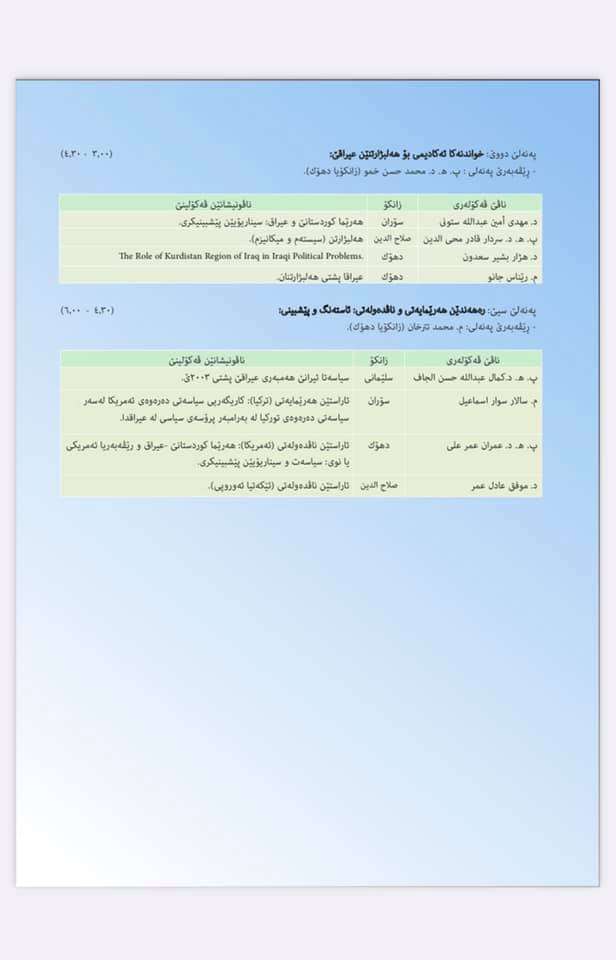
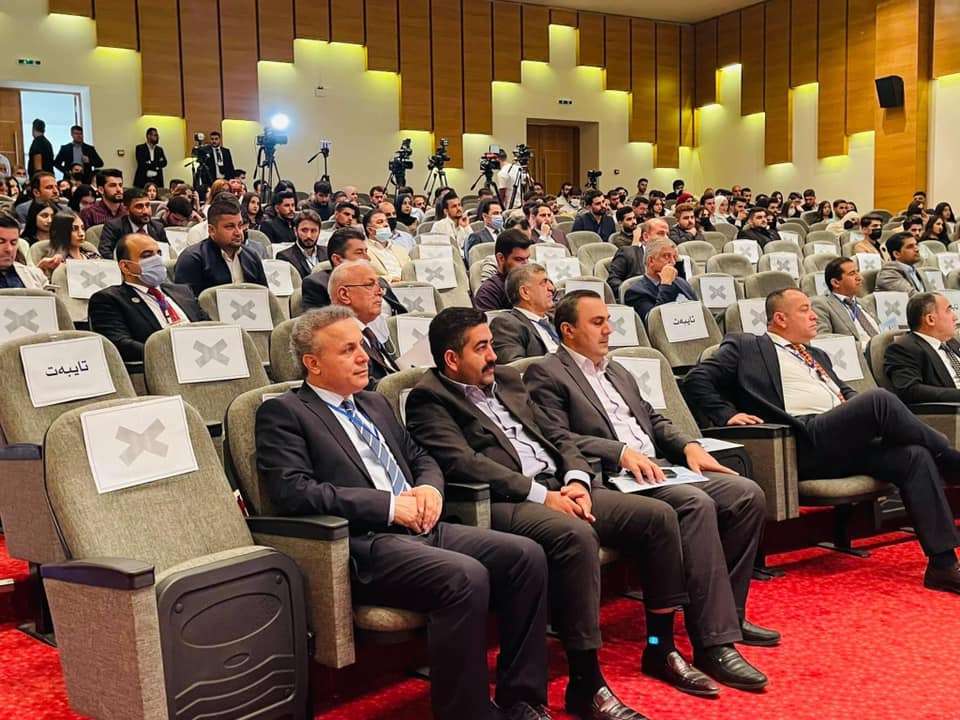
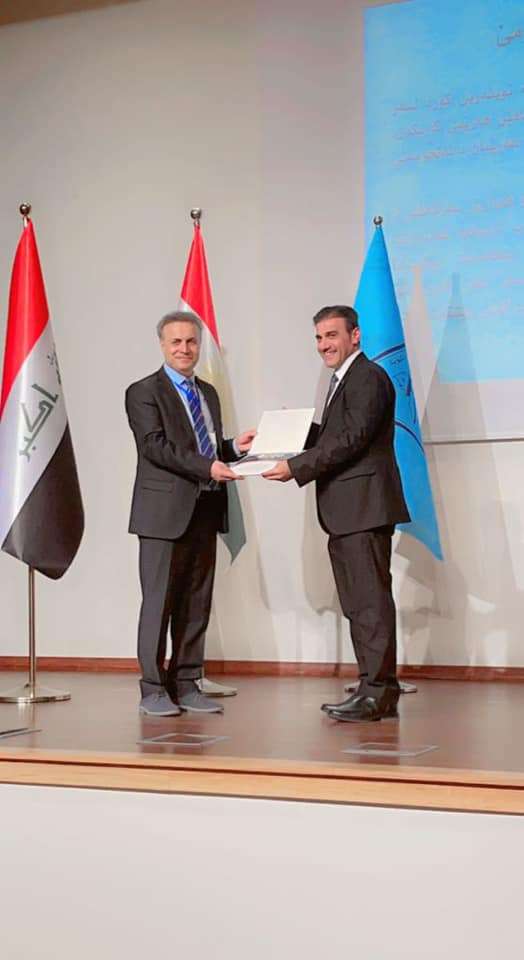
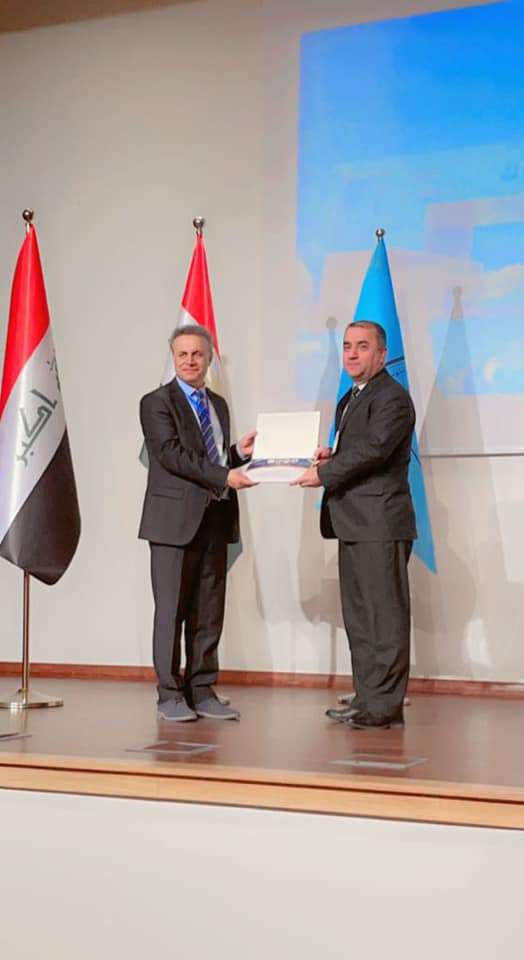
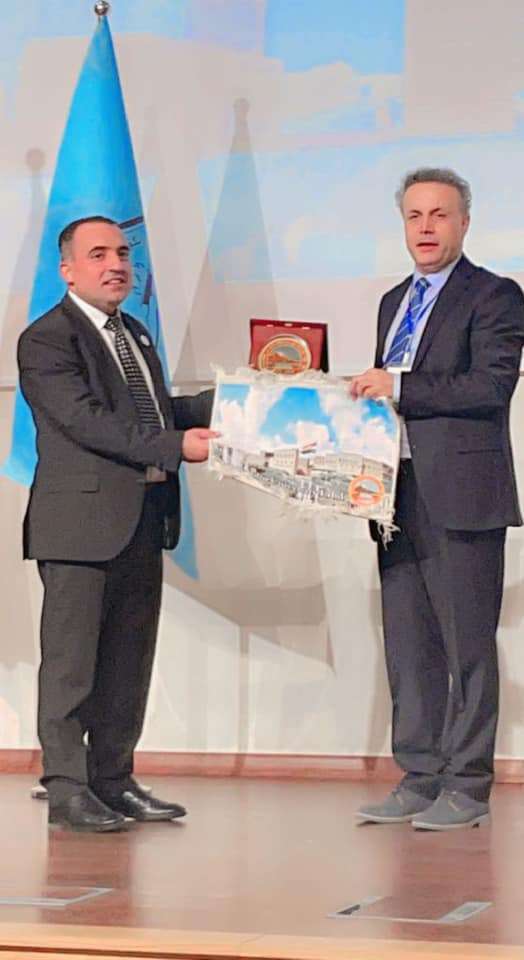
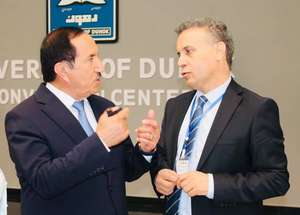
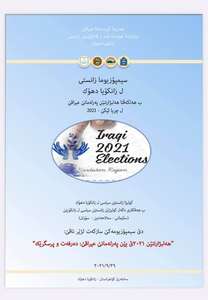
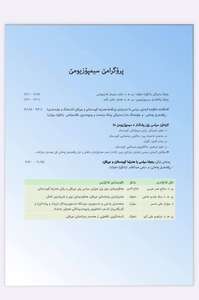
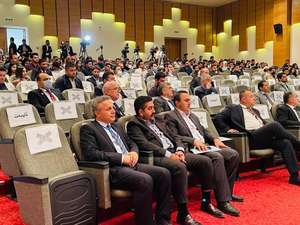
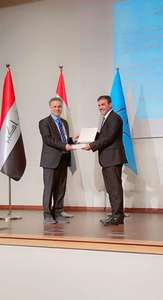
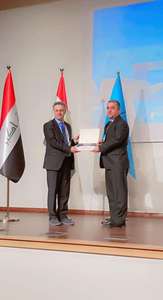
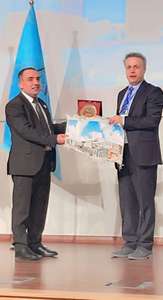
Academic Discussion / Speech at the Commencement of the Symposium: 'The 2021 Iraqi Parliamentary Elections: Opportunities and Challenges'
Speech by the Symposium Coordinator, Assoc. Prof. Dr. Hawar Khalil Nerweyi, Dean of the College of Political Sciences.
Convention Center – University of Duhok, September 29, 2021
Distinguished guests and esteemed attendees,
As the general coordinator of the scientific symposium titled "The 2021 Iraqi Parliamentary Elections: Opportunities and Challenges," and on behalf of the Deanship of the College of Political Sciences at the University of Duhok, I cordially welcome you all. It is worth noting that this academic discussion was organized on the initiative of the College of Political Sciences at the University of Duhok, in cooperation with the Colleges of Political Sciences at the Universities of (Suleimani, Soran, and Salahaddin).
Distinguished guests,
One of the most paramount issues linked to the pre- and post-election period is political stability. Generally speaking, political stability in the Middle East passes through Iraq. Given that Iraq is considered an vital gateway for securing and fostering political stability in the Middle East, how do experts specializing in Iraqi and Middle Eastern affairs assess this issue?
In the Middle East, and particularly in Iraq, the process and post-election outcomes carry a constant risk of eroding political stability. According to the majority of political analysts specializing in the conditions of Iraq and the Kurdistan Region, these upcoming Iraqi Parliamentary elections are anticipated to mark a historical turning point. There is a strong projection that following the elections, Iraq's political and economic landscape may slide toward an uncertain and complex trajectory, as the experiences of post-2003 Iraqi elections demonstrate the lack of a strong, unified Iraq:
- The post-2006 elections plunged Iraq into a civil war.
- The post-2010 elections completely dashed the hope of building an inclusive Iraqi national identity.
- The post-2014 elections directed Iraq toward terrorist groups such as ISIS.
- The post-2018 elections left Iraq entirely under the dominance of armed groups, such as the Shia factions.
Furthermore, following the 2021 elections, it is anticipated to be Iraq's final opportunity to salvage itself from a sectarian, militia-dominated governance and build a constitutional, legal, and civil government.
Honored guests, if there were a serious commitment to cultivating the right conditions for opportunities, the establishment of a constitutional and civil government post-election would be achievable. However, I view these opportunities as very slim due to several factors:
- The political system in Iraq (federalism) is not implemented as intended.
- The majority of constitutional articles in the Iraqi Constitution remain unpracticed (e.g., Article 48 regarding the Federal Council).
- The method of allocating sovereign posts for governance leads Iraq toward political stagnation, akin to Lebanon's model.
- Foreign interference, particularly from major regional powers, in Iraq's internal affairs.
- The social and geopolitical topographic structure in Iraq, among many other factors, weakens the chances of establishing a constitutional and civil government post-election.
In other words, the groundwork for resolving dilemmas and creating opportunities to hold transparent, fair elections is weak because: the electoral law is unsuitable, electoral tools are incomplete, the rule of law—especially election laws—is absent, the government lacks the capacity to control the Popular Mobilization Forces (Hashd al-Shaabi), and ISIS remains active, causing political instability that jeopardizes the legitimacy of election results.
Distinguished guests, assuming internal factors were favorable for positive election outcomes, what about external factors? One of the main questions regarding post-election Iraqi government formation centers on the nature of U.S.-Iran relations. Will the coordination and balance between Iranian and American influence in forming the Iraqi government remain as it was from 2006 to 2018? The answer hinges on several factors, such as:
- Rivalry over the nuclear file (if Iran and the U.S. reach an agreement and economic sanctions on Iran are lifted, it would yield positive outcomes for post-election Iraq).
- Attacks by Iran-backed militias against the U.S. and its allies in Iraq might decrease, yet ethno-sectarian and national rivalries in Iraq grow more intense daily.
Regarding the Kurdistan Region, several political parties are participating in the election campaign, with the Kurdistan Democratic Party (KDP) and the Kurdistan Coalition (PUK and Gorran) being the most influential. It is anticipated—and strongly demanded by Kurdish society—that post-elections, Kurdish political parties in the Iraqi Parliament unite under a single front. If achieved, this would bring significant shifts to Kurdistan Regional Government–Iraqi Government relations, particularly concerning disputed territories outside the KRG administration, the Peshmerga file, economic resources, partnership, balance, and power-sharing in the Iraqi government, among others.
Distinguished guests, three scenarios are projected for post-election Iraq:
- Status Quo: Iraq continues under the influence of traditional political factions as it has until now.
- Iranian Frontline: Iraq becomes a defensive stronghold against the U.S. and its allies, led by Iran-backed groups like Hezbollah, Asa'ib Ahl al-Haq, etc.
- Internal Conflict: Iraq descends into internal conflict, particularly among various factions within the Popular Mobilization Forces.
Allow me to conclude with a few concise words:
"Governance of this nature pushes Iraq toward collapse. Furthermore, if Kurds continue governing as they have so far, our fate will unfortunately face grave danger—especially regarding the presence of a unified discourse among political parties and tackling corruption. You, the Kurdish and Kurdistani political parties, are stronger together; through a unified discourse, you are strong, and only through strength can the true rights of the Kurdish people be guaranteed."