Implementing the Bologna Process and Enhancing E-Learning Through Moodle Platform
Workshop Announcement
Implementation of the Bologna Process and Moodle Platform Training
Venue: University of Duhok – College of Political Sciences
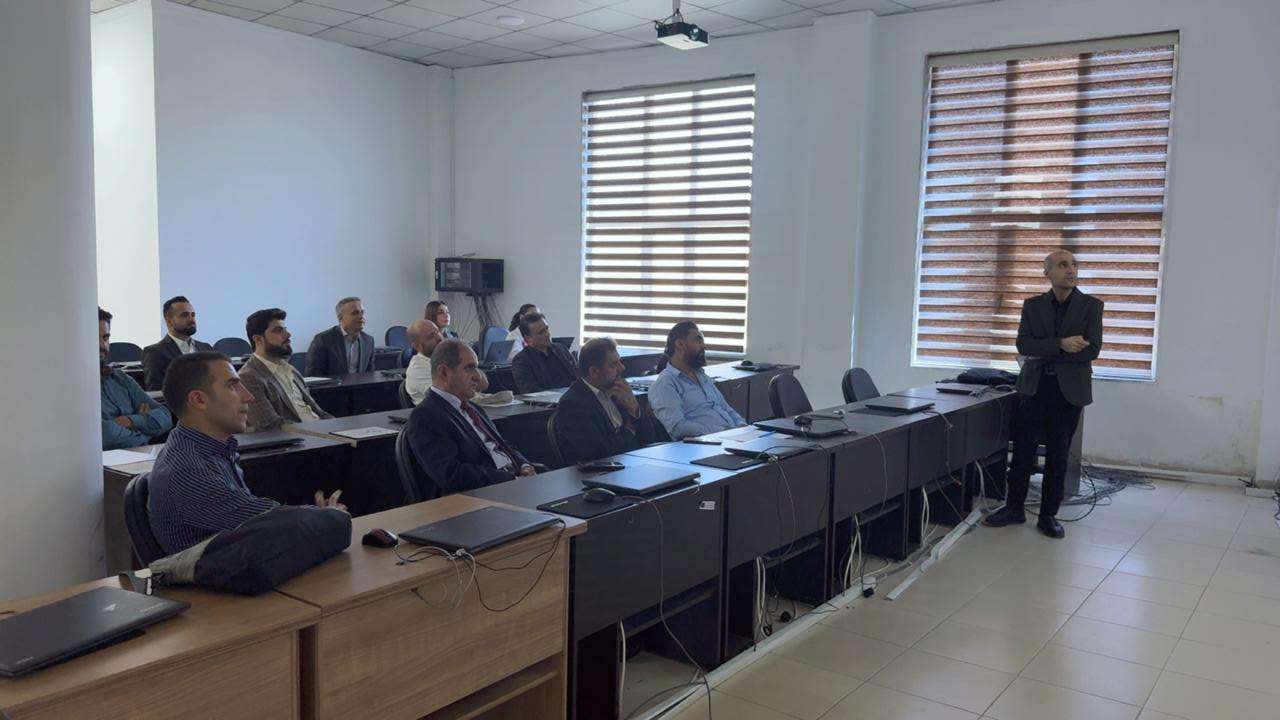
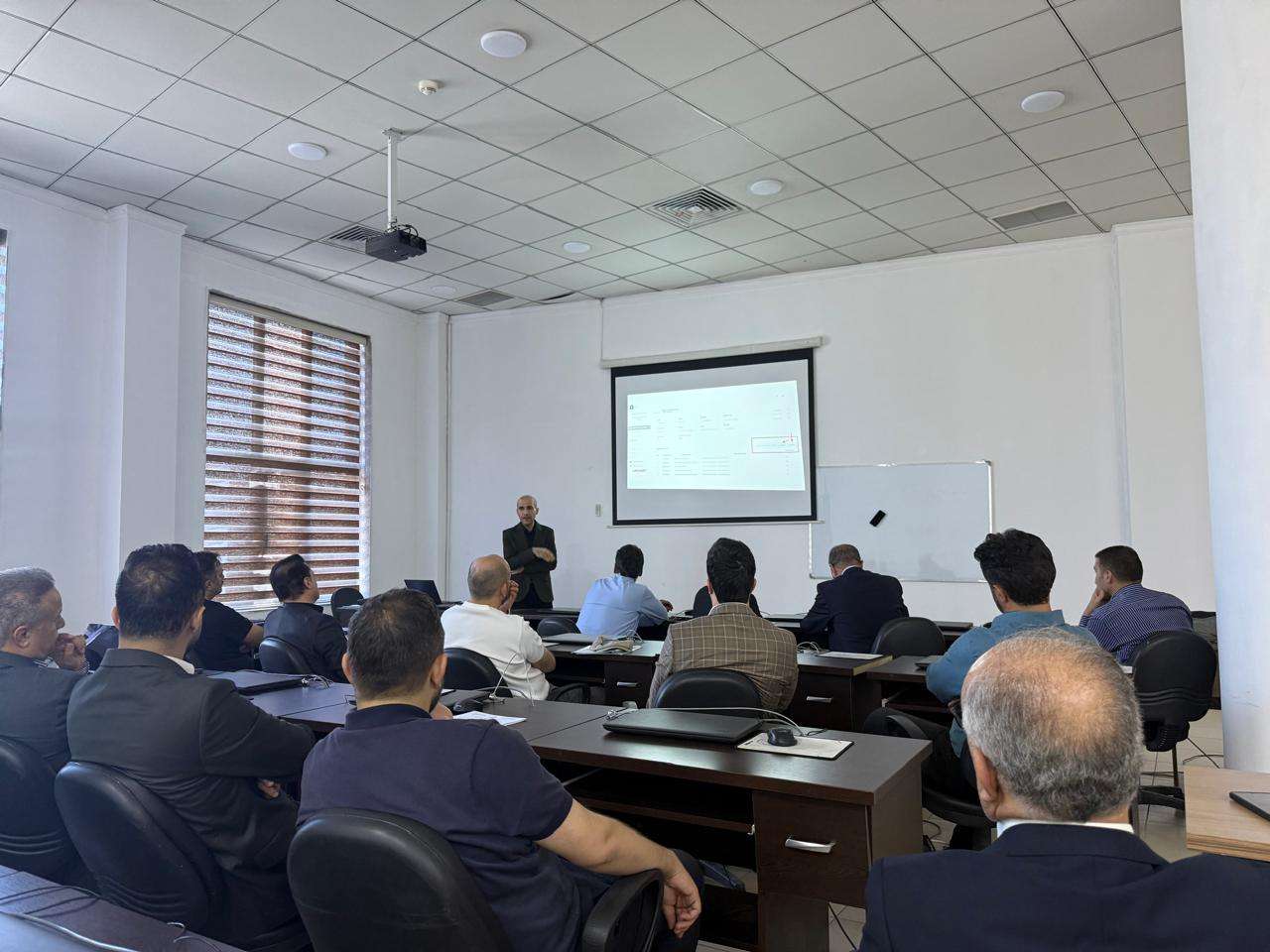
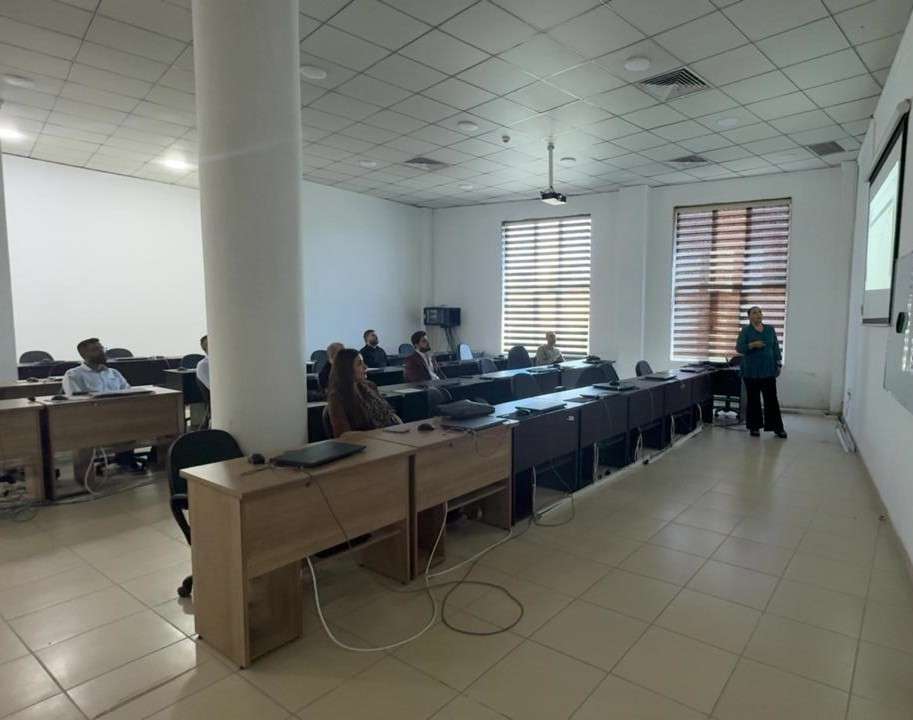
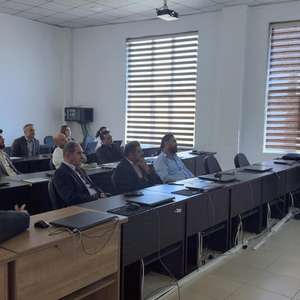
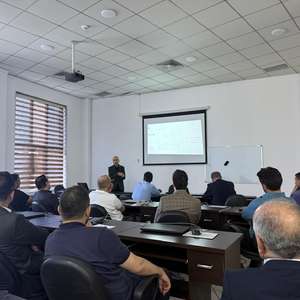
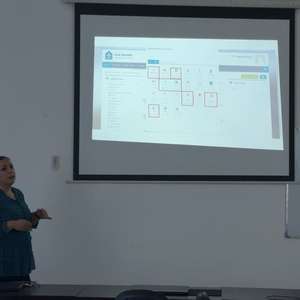
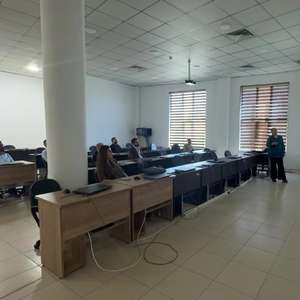
Date: September 6–7, 2026. On September 6–7, 2026, the College of Political Sciences at the University of Duhok conducted an intensive two-day academic workshop focused on operationalizing the Bologna Process and optimizing institutional e-learning capabilities via the Moodle platform.
Day 1: Implementation of the Bologna Process Core Principles and Structural Framework: Review of Bologna Process standards, the European Credit Transfer and Accumulation System (ECTS), allocation of student workload, learning outcomes, and module distributions across study tracks.
- Attendance Management: Systematic protocols for instructors to log and track teacher attendance, monitor student class presence, document absences, and maintain administrative records. * Student Rosters and Academic Reports: Standard operating procedures for pulling verified student lists, generating cohort reports, and tracking enrollment data.
- Assessment and Grading Entry: Step-by-step procedures for logging continuous formative assessments, practical evaluations, coursework marks, and final examination results directly into the university system.
- Academic Communication: Establishing formalized, professional communication channels and feedback loops between instructors and students to ensure administrative transparency.
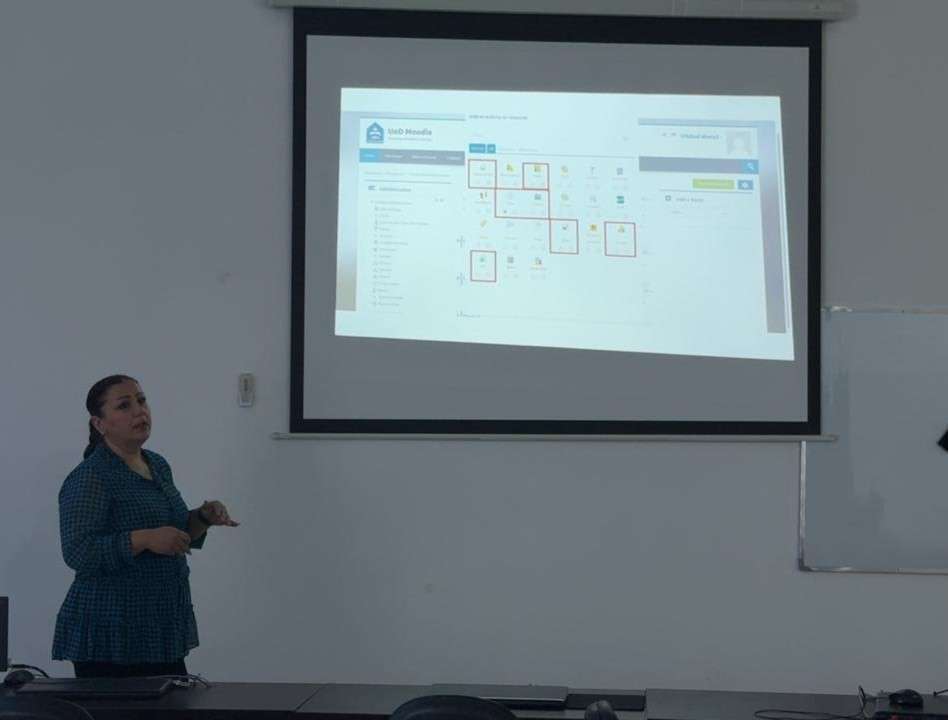
Day 2: Enhancing E-Learning via Moodle Platform
- Institutional Context and Mandate: Overview of Moodle adoption as a mandatory instructional requirement established by the Ministry of Higher Education and Scientific Research across Kurdistan Region universities, with specific emphasis on the University of Duhok.
- Course Design and Layout Formatting: Structural configuration of digital course pages, modular formatting by weeks or topics, and instructional interface design to improve user navigation.
- Instructional Material Uploading: Protocols for structuring and hosting digital learning resources, including course syllabi, lecture slides, required readings, textbooks, and supplemental digital links.
- Student Activity Tracking: Utilization of administrative analytics tools to monitor student engagement, submission metrics, digital participation logs, and platform activity reports.
- Assessment and Quiz Construction: Technical steps for building question banks, scheduling and automating online quizzes, setting timed exams, and managing grading parameters.